The Future of Payments: LFG’s Role in Simplifying Transactions
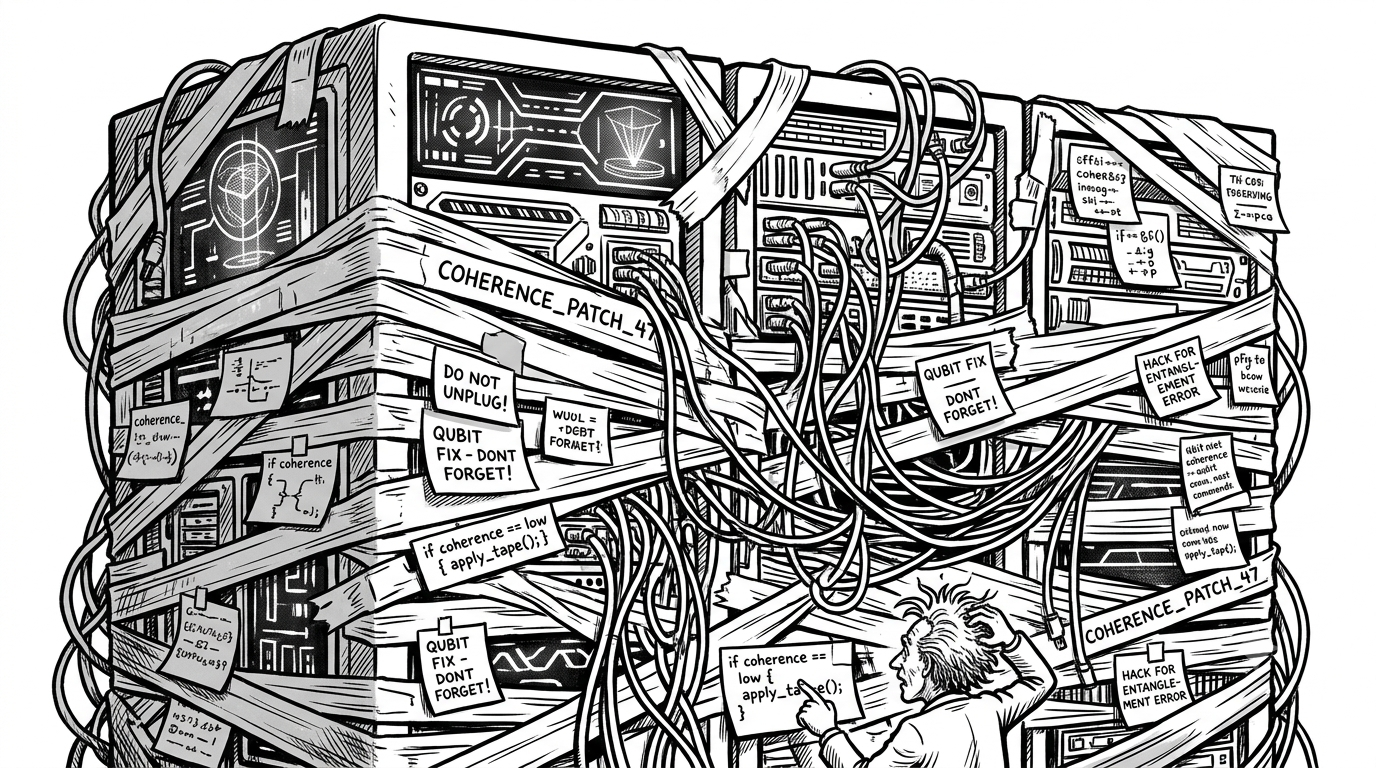
Web3 companies have the strangest payment gap in business: they hold the most advanced form of money and manage it with the least advanced tools.
Payments arrive at raw wallet addresses pasted into chat messages. Treasuries take in funds with no screening for where those funds have been. Revenue is reconciled across block explorers, spreadsheets, and memory. The money is programmable. The operation around it is duct tape.
The gap is not a lack of ways to move digital money. It is the absence of actual payment infrastructure: the screened, organized, accountable layer that traditional businesses take for granted.
What the duct tape costs
Every raw-address payment is one paste error away from being unrecoverable. Every unscreened inbound payment is a compliance question waiting in your treasury: funds with a bad history do not announce themselves, and once they are mixed into your balance, the problem is yours.
And every tool you stitch together, one to receive, one to check, one to track, is operational overhead that grows with your volume. Teams that would never tolerate this in their codebase tolerate it in their revenue.

The infrastructure layer
LFG replaces the duct tape with a single system built like payment infrastructure, because that is what it is.
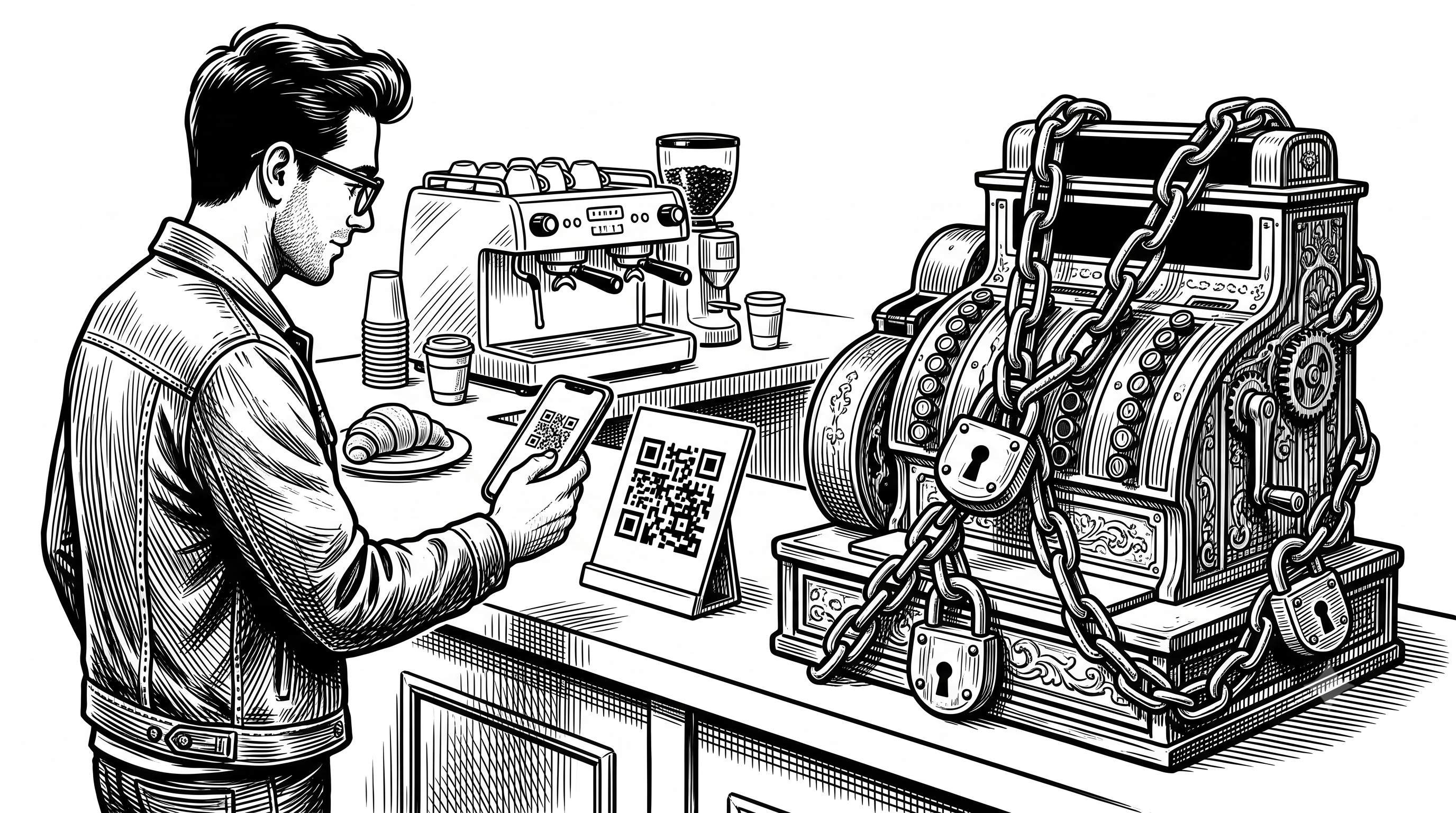
Payments in: accept by link or QR. A client paying an invoice, a customer buying a service, a partner settling up. Anyone with a wallet can pay, and nobody handles raw addresses.
Screening built in: every payment is risk-screened automatically before it completes, using institutional-grade tools. Tainted funds never touch your treasury. This is the piece most web3 operations are missing entirely, and the one that matters most as regulation matures.
One dashboard: every link, payment, and settlement in a single view. Reconciliation stops being archaeology.
Out to fiat when needed: cash out to a bank account directly from the dashboard when the real world requires traditional money, or hold your balance onchain.
And the design principle underneath it all: LFG is non-custodial. Your funds never sit with us. They settle to wallets you control, which for an onchain organization is not a preference but a requirement.
Why this matters more for you than for anyone
A traditional business adopting stablecoins is adding a payment method. A web3 organization adopting LFG is adding the professional layer around money it already uses: screening, structure, and accountability.
That layer is what lets you answer the questions that are coming, from partners, from auditors, from regulators: where did these funds come from, and can you prove it. With screened inbound payments and a complete dashboard record, the answer is yes, by default.
Who this is for
Web3 companies invoicing clients and partners. DAOs receiving revenue or contributions. NFT projects and protocols selling services. Any onchain organization that has outgrown wallet-address-in-the-group-chat.
Frequently asked questions
We already accept digital payments. What does this add?
Screening, structure, and record. Every inbound payment checked before it completes, every transaction logged in one dashboard, and no raw addresses changing hands. It is the difference between moving money and operating payment infrastructure.
Is it really non-custodial?
Yes. LFG never holds funds at any point. Payments settle directly to wallets you control. We provide the rails and the screening, not custody.
Can we cash out to a bank when we need fiat?
Yes, directly from the dashboard, whenever your operation requires traditional money.
What happens if someone tries to pay us with tainted funds?
The payment is screened before it completes. Funds flagged as high-risk never reach your treasury.
What do payers see?
A clean payment page. They pay from any wallet, with no account creation and no friction. Crypto-native payers will find it instant; newcomers are guided through.
What does it cost?
Flat subscription pricing. LFG does not take a percentage of your payment volume.
You built on programmable money. Give it professional rails at getlfg.app


Moh Kanji
A financial guru and entrepreneurial master.
You Might Also Like
Check out more posts that explore the future of payments and fintech solutions