The Future of Payments: LFG’s Role in Simplifying Transactions
The Rake
If you buy a Honda Civic, a gallon of gas costs $4. If you buy a Ferrari, a gallon of gas costs... $4.
The energy provider doesn't care about the value of the vehicle; they charge for the fuel. This is basic economics. Volume creates efficiency.
Yet, in the digital economy, we have accepted a perverse inversion of this law. If you sell a $10 e-book, Stripe charges you a fee. If you sell a $10,000 watch, they charge you 100x more.
Did the cost of moving those bits change? Did the electricity cost more? Did the server work harder?
No.
You are not paying for a service. You are paying a Rake.
The Innovation Theatre
Incumbents like Stripe and PayPal have wrapped themselves in the flag of "innovation." They offer sleek APIs and beautiful dashboards. But beneath the UI lies a business model from the 1970s: The Percentage Fee.
They have positioned themselves not as software providers, but as partners in your revenue. They demand a seat at your table. And every time you double your sales, their cut doubles.
This is Scale Punishment.
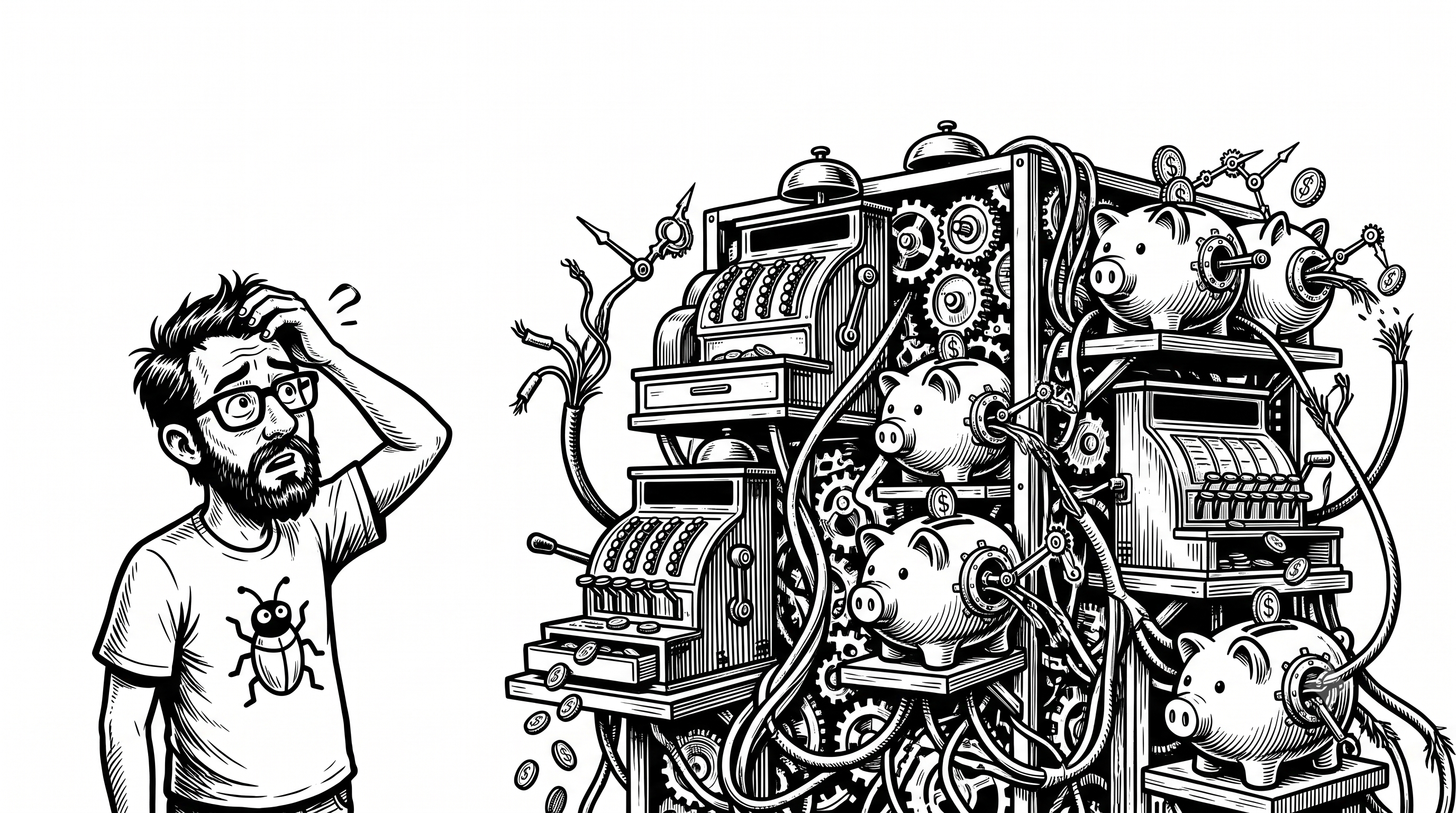
In any other vertical (hosting, email, storage), costs go down as you grow. In payments, costs scale linearly with your success. You are effectively paying a tax on your own growth to a landlord who adds zero additional value after the first transaction.
The Algebra of Extraction
Let’s look at the P&L.
Scenario A: The Cafe
(High Volume, Low Transaction Cost)
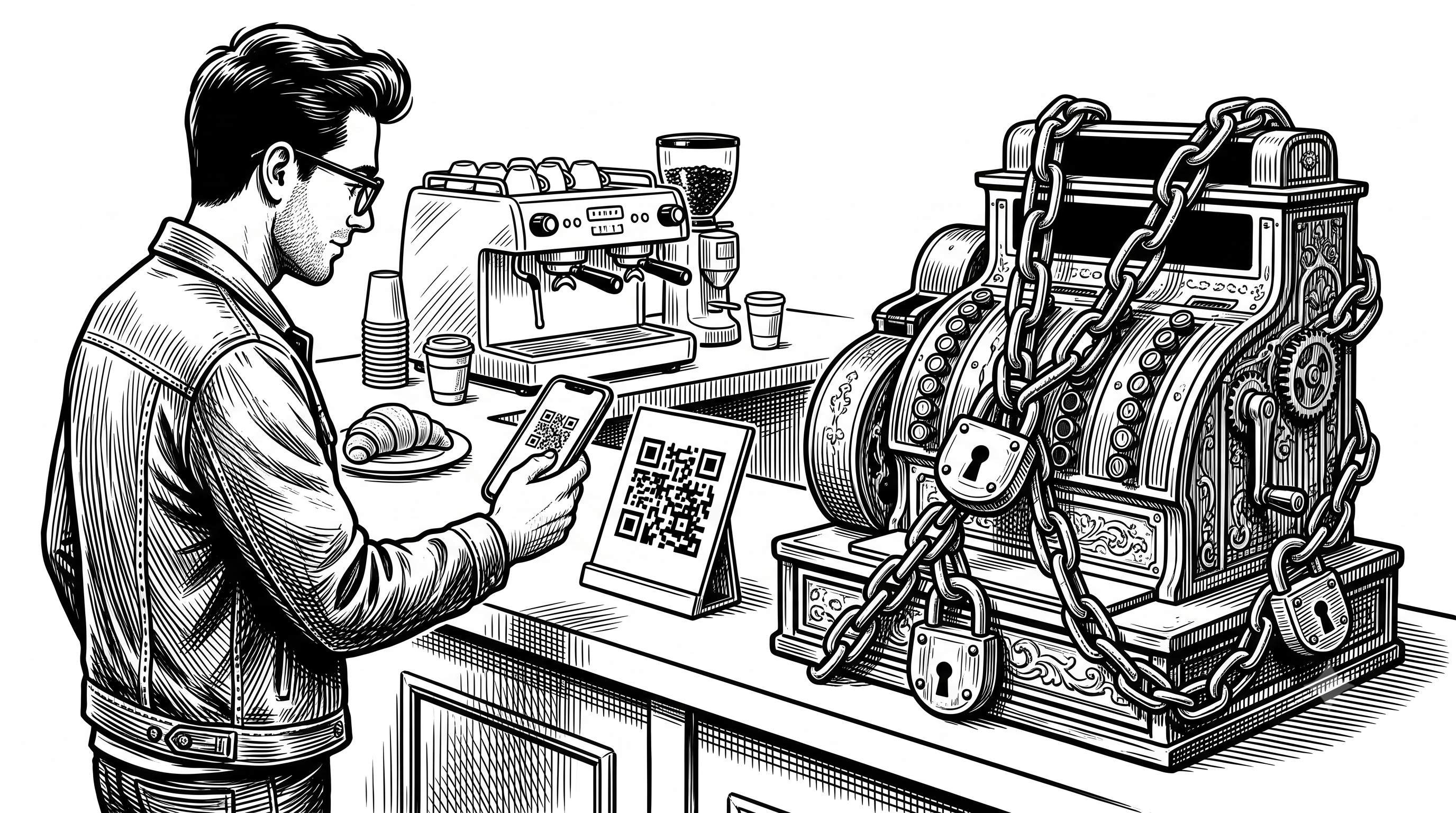
You sell coffee. Stripe takes 30¢ on every transaction. On a $5 latte, that’s a 6% tax before you’ve even paid for the beans. You are bleeding out in nickels and dimes.
Scenario B: The Boutique
(Low Volume, High Transaction Cost)
You sell vintage luxury goods. You sell a $50,000 Patek Philippe. The "Standard Fee" of 2.9% strips $1,450 from your margin instantly.
For what? To update a ledger?
This isn't a fee. It’s an extraction.
The Exit Strategy
The definition of a monopoly is the ability to charge a price disconnected from cost. The payments duopoly has enjoyed this power for a decade.
LFG is the correction.
We view payments as a utility, not a partnership. You don't give your ISP 3% of your revenue just because you used the internet to close a deal. You shouldn't give your payment processor 3% either.
- Stripe: 2.9% + 30¢ (The Rake).
- LFG: Flat Monthly Subscription (The Software).
If you sell that $50,000 watch on LFG, the processing fee is $0. You pay for the software, not an ever increasing toll on your ability to sell.
Stop Renting Your Money
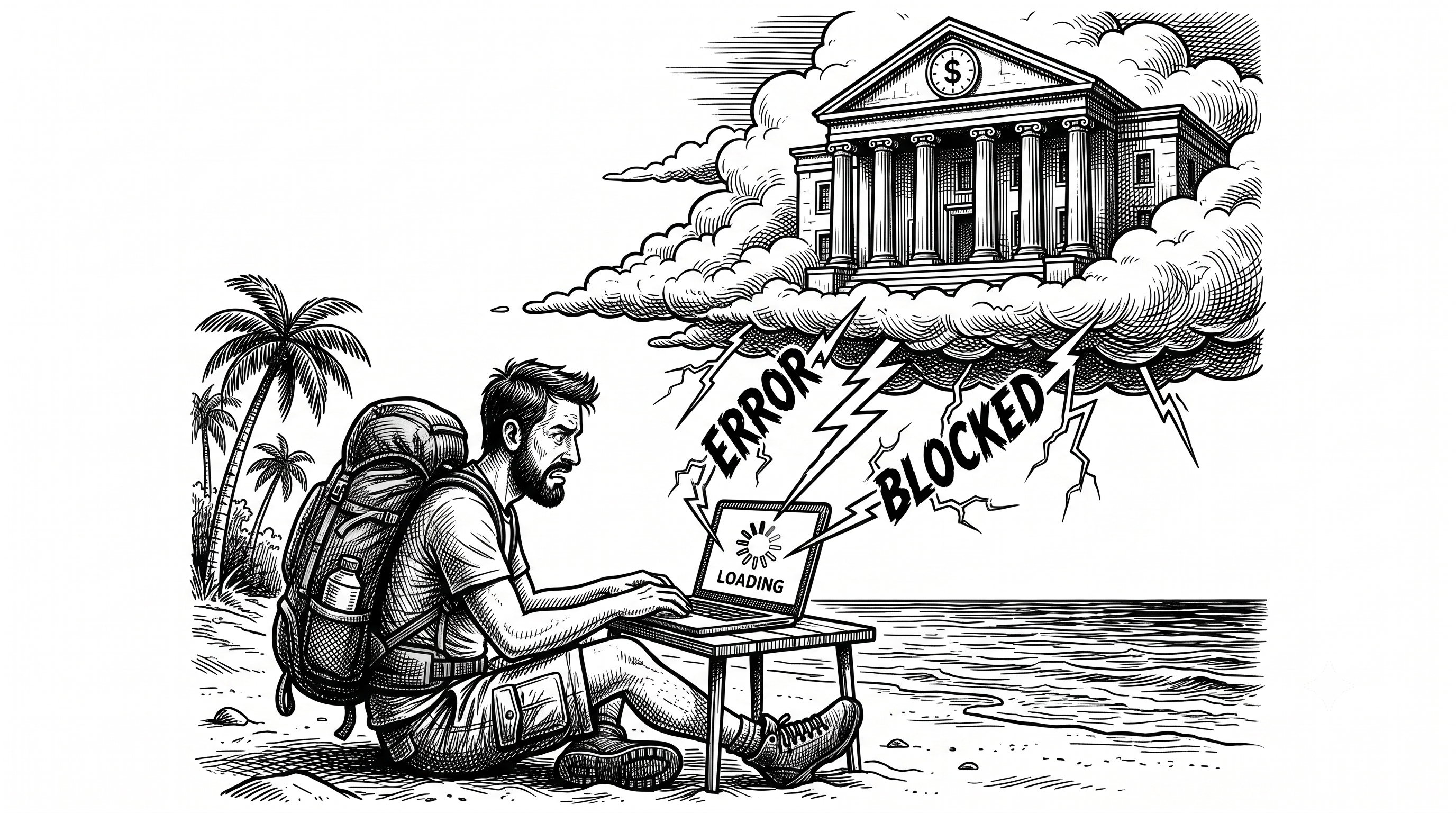
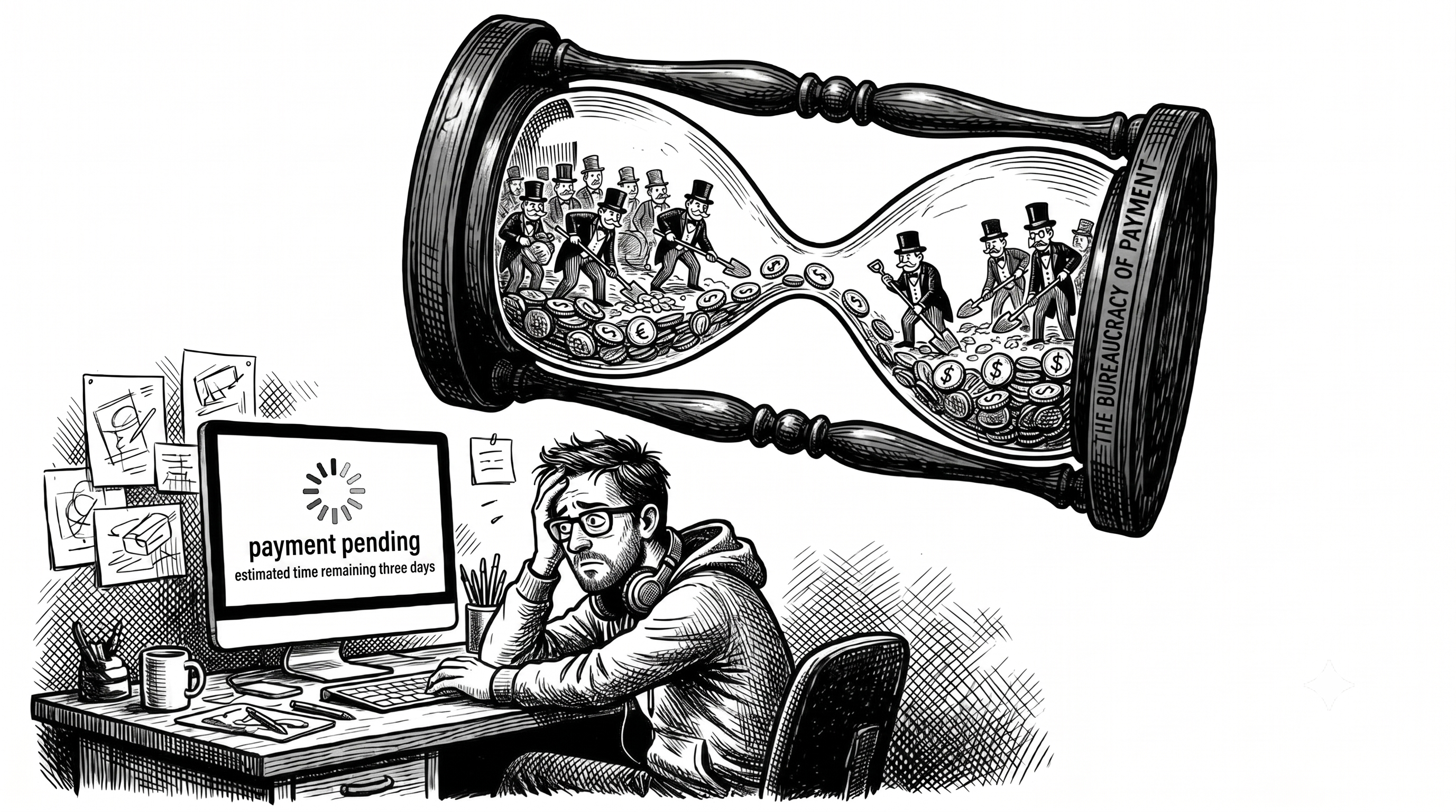
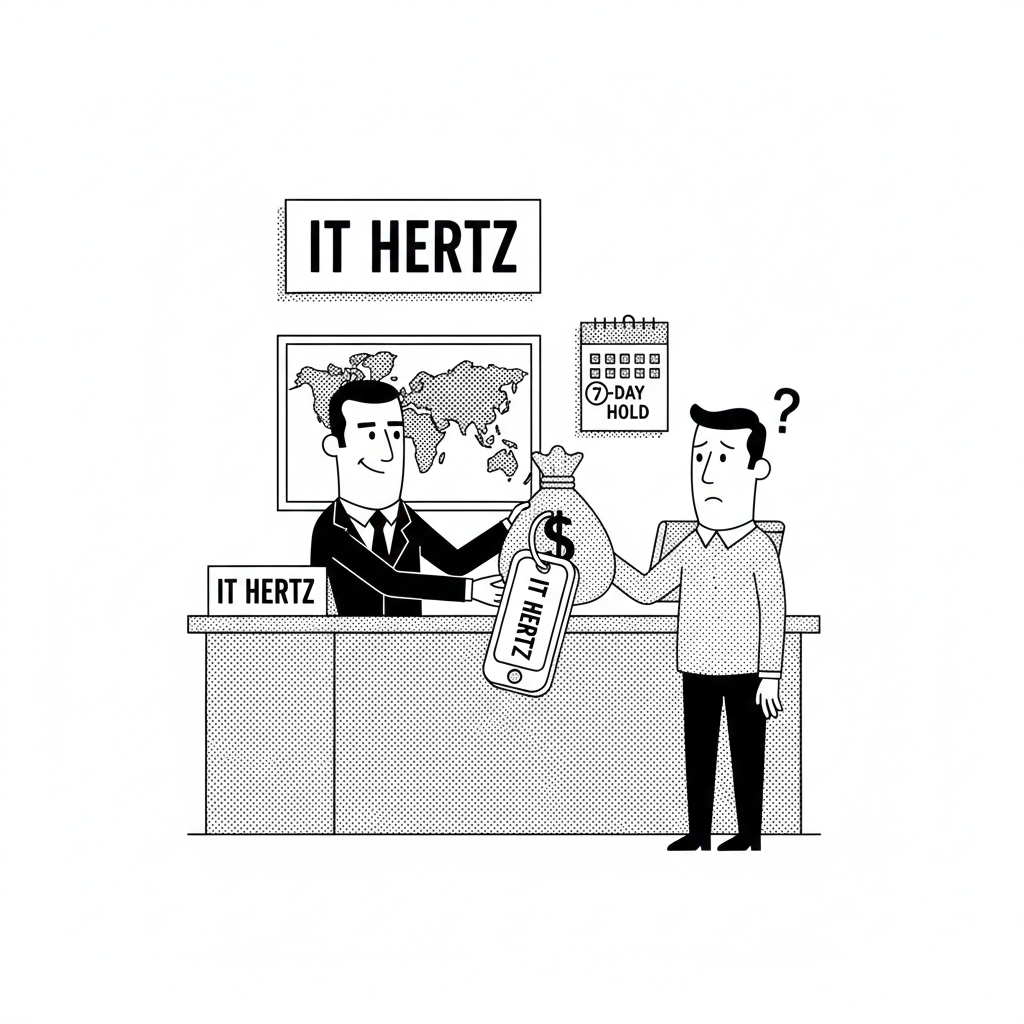
The final insult of the legacy model is custody. Even after they take their cut, they hold your money for 2–7 business days. They earn interest on your hard earned income while you wait for permission to access your own cashflow.
LFG is non-custodial. The money settles in your account instantly.
It is time to fire the landlord. Stop paying a tax on your ambition.
Use our Calculator to understand your Rake here
There is a better way,
Kris


Kris Krogh
Written by Kris Krogh, a payments and fintech expert with a passion for simplifying global transactions
You Might Also Like
Check out more posts that explore the future of payments and fintech solutions