The Future of Payments: LFG’s Role in Simplifying Transactions

The Vig
I’m looking at your P&L. It’s a crime scene.
In the physical world, if someone stands between you and your customer and demands 5% of the transaction for doing nothing, we call it a mob shakedown. In the digital economy, we call it "Standard Pricing."
The most genius trick the devil ever pulled wasn't convincing the world he didn't exist; it was convincing merchants that 2.9% + 30¢ is the cost of doing business.
It isn't. It is a tax on your innovation, levied by a duopoly of incumbents who haven't updated their infrastructure since the Obama administration.
But the 2.9% is just the cover charge. The real theft happens when you dare to sell something across a border.
The Geography of Theft
We live in a borderless digital economy. A kid in Seoul can buy a hoodie from a designer in Brooklyn in milliseconds. The data moves at the speed of light.
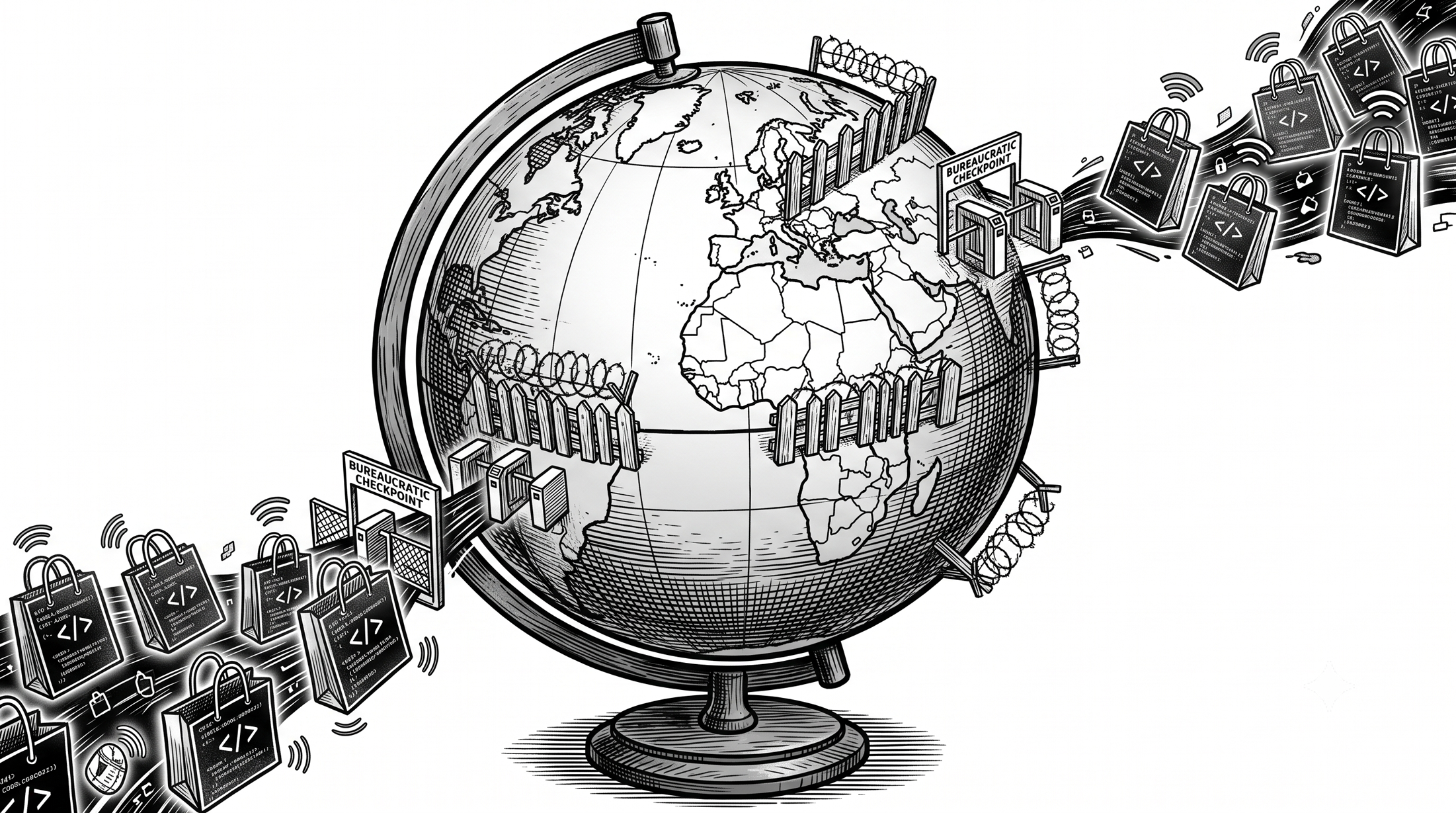
Yet, your payment processor treats this transaction like it’s being carried by a donkey over the Alps.
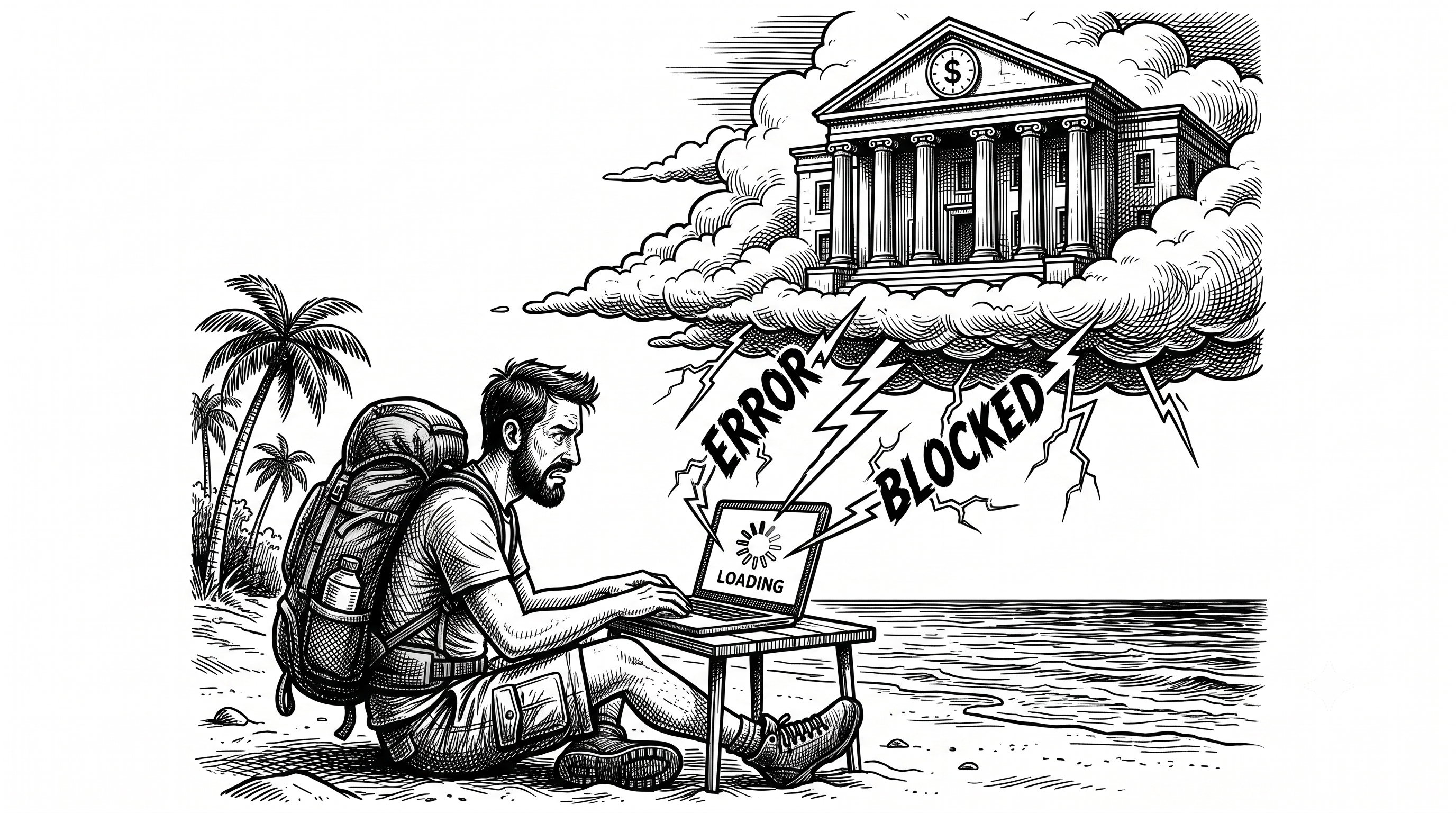
If you are a US merchant selling to a UK customer, Stripe and PayPal don't just charge you the 2.9%. They tack on a "Cross-Border Fee" (+1.5%) and then hit you with a "Currency Conversion Spread" (+2%).
Suddenly, your effective "tax rate" isn't 2.9%. It’s 6.4% for doing business across borders.
This is the algebra of extraction. You take the risk, you build the product, you find the customer. They build a tollbooth on a road they didn't pave and strip-mine your margin.
The Unserious Merchant
The tragedy of the modern merchant isn't that they are losing money; it’s that they are unserious about where it’s going.
Let’s look at the maths.
Imagine you are a "serious" business processing $10,000 a week from international clients.
- The Incumbent (Stripe/PayPal): Charges you on every single transaction. They hit you with the base fee, the fixed fee, the border fee, and the FX markup. You pay $670 for the privilege of moving your own money.
- The Serious Option (LFG): You use a non-custodial rail. The money moves peer-to-peer (USDC). There are no borders on the blockchain, so there are no border fees. You batch your payout once a week. You pay ~$112.
The difference is $558 a week. That is $29,000 a year in pure profit that you are currently setting on fire.
If you offered a Venture Capitalist $29k for zero equity, they’d laugh at you.
Yet you hand it to a payment processor every year without blinking.
The Corrective
Markets eventually correct inefficiencies. If an incumbent takes too much "rent" without adding value, an antibody appears.
LFG is the antibody.
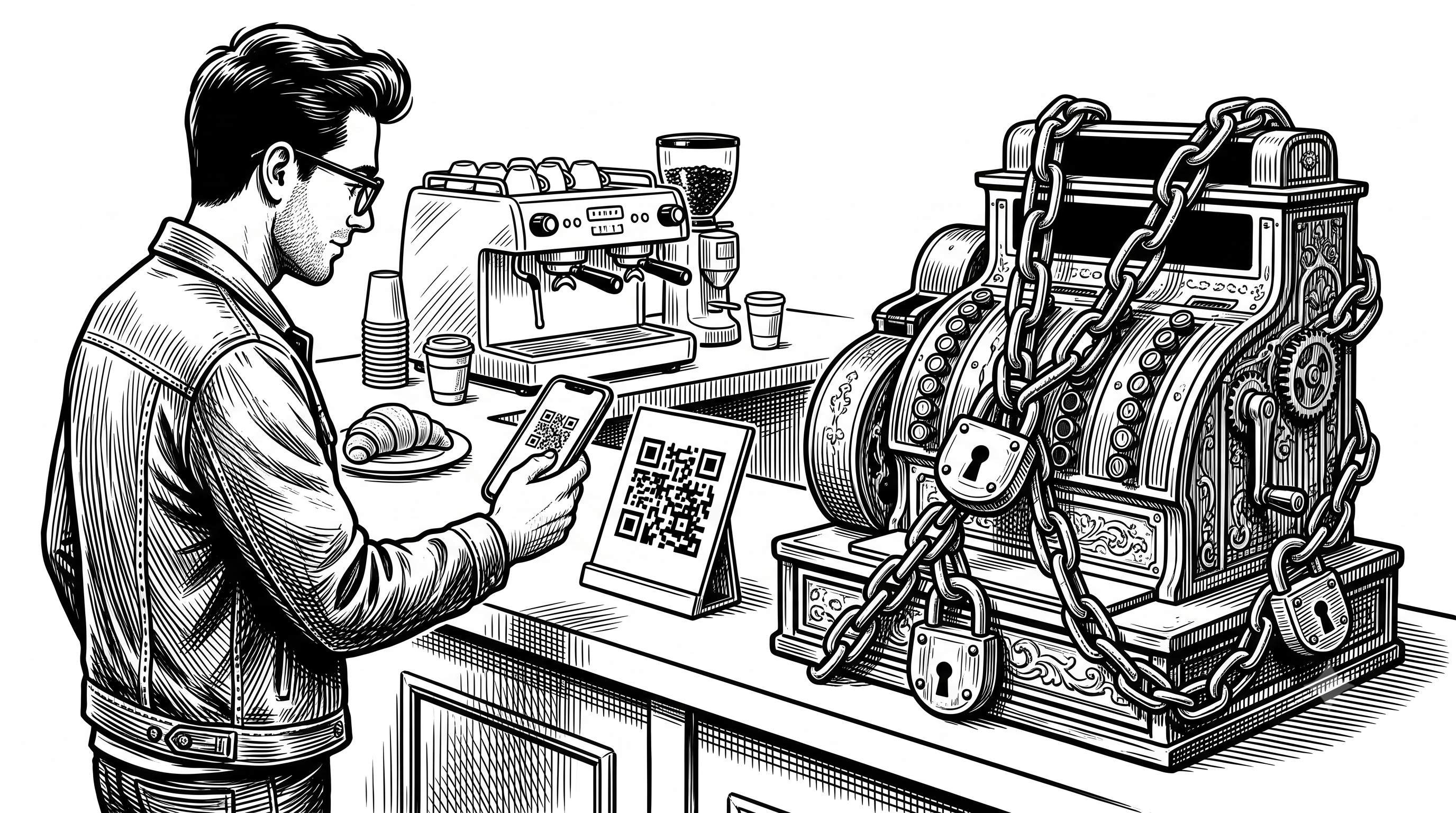
We don't charge per transaction because it doesn't cost us anything to process a transaction. We don't charge "Cross-Border Fees" because crypto doesn't know what a border is. We charge a flat subscription for the software, and you pay a small pass-through fee to off-ramp your cash.
That’s it.
Stop acting like the 5% tax is inevitable. Inevitable means something would happen anyway, it’s not physics; it’s a choice. And right now, you are choosing to be the prey.

Do the Maths
We built a calculator. It’s not a marketing gimmick; it’s a mirror.
Go to the "International Customers" slider. Drag it to 50%. Watch what happens to your fees with the incumbents. Then look at the LFG number.
If the difference doesn't make you angry, you aren't paying attention.
Life can be much richer,
Kris


Kris Krogh
Written by Kris Krogh, a payments and fintech expert with a passion for simplifying global transactions
You Might Also Like
Check out more posts that explore the future of payments and fintech solutions