The Future of Payments: LFG’s Role in Simplifying Transactions
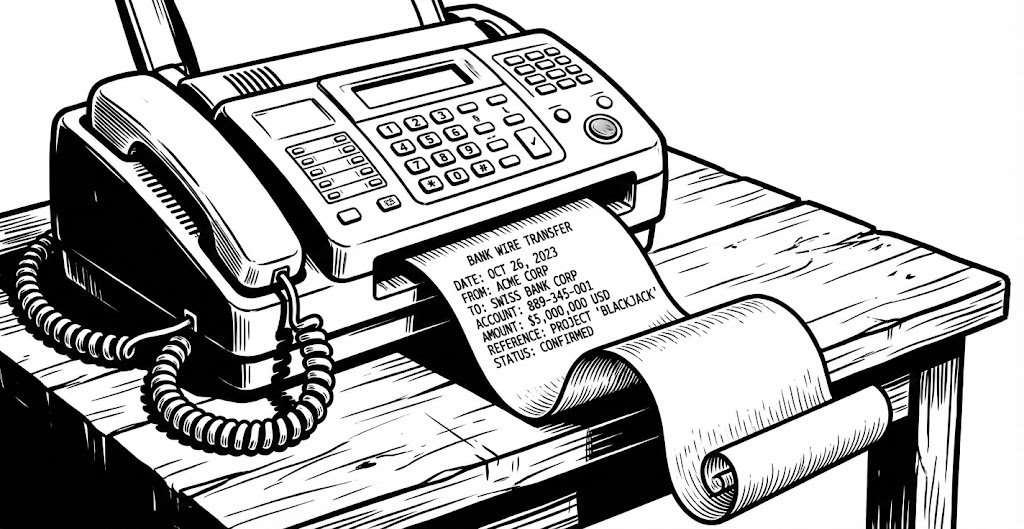
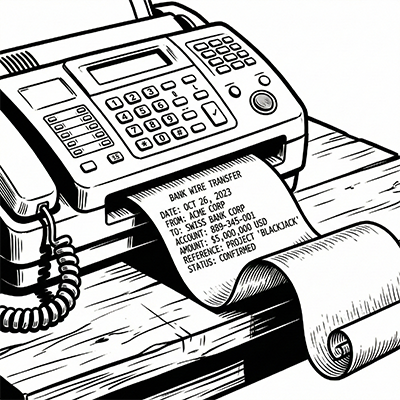
The Fax Machine
Why we still send money like it's 1973.
The global financial network, SWIFT, was officially switched on in May 1973.
To put that date in perspective: The United States was still in Vietnam. The Exorcist was in theaters. The first mobile phone call wouldn't be made for another month.
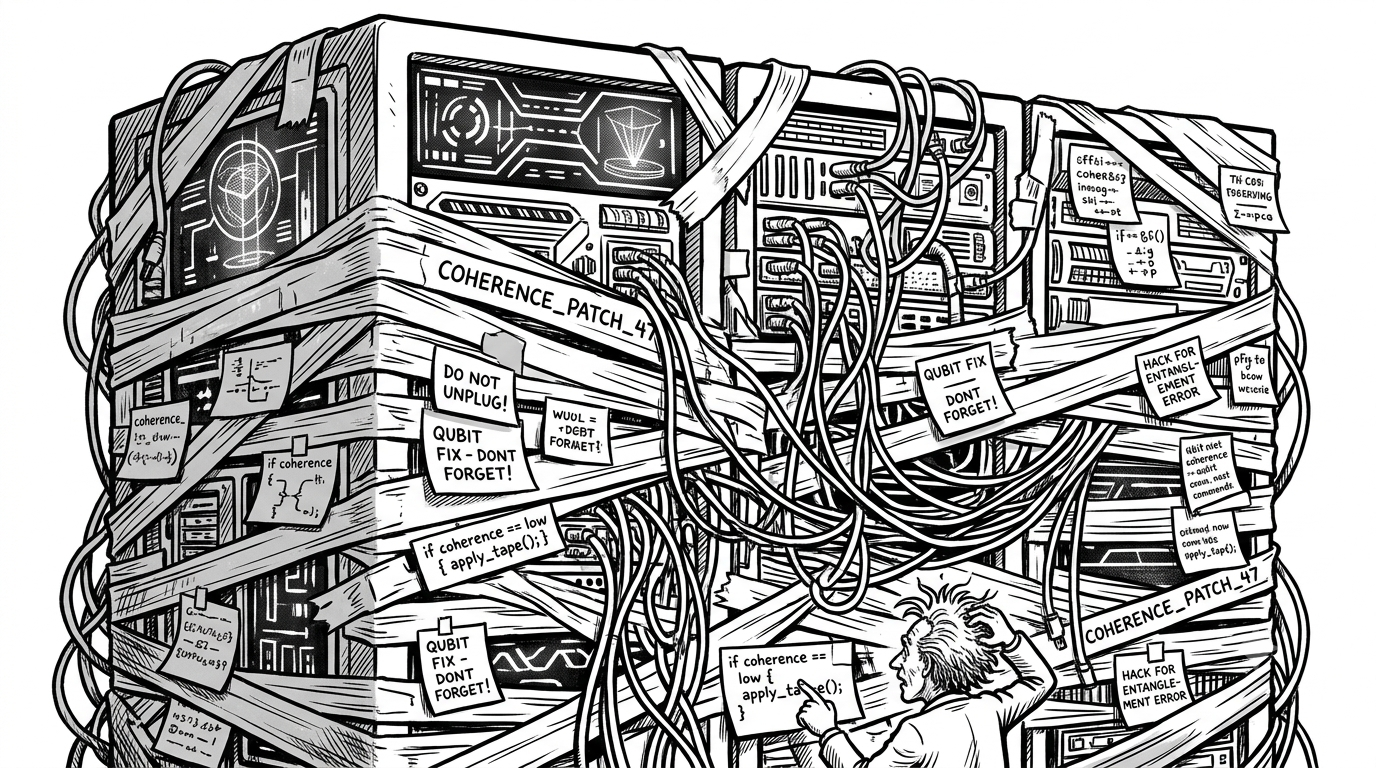
If you are sending a wire transfer today, you are running your business on infrastructure that is older than the internet.
Think about how absurd that is. If we clung to 1973 standards in any other part of our lives, you would be reading this blog post on microfiche (those flat sheets of film that required a massive, glowing library machine just to zoom in and read).
- You would be navigating to your next client meeting using a paper map the size of a tablecloth, instead of Citymapper.
- You would need an operator to connect a long-distance call to your own mother, instead of calling her on WhatsApp.
- You would be listening to music on an 8-track tape player the size of a microwave, instead of Spotify.
We abandoned those things because better technology arrived. We evolved.
But in finance? We refused to upgrade. In a world of fiber optics and Starlink, money still moves at the speed of a customized Scooby-Doo van with shag carpet.
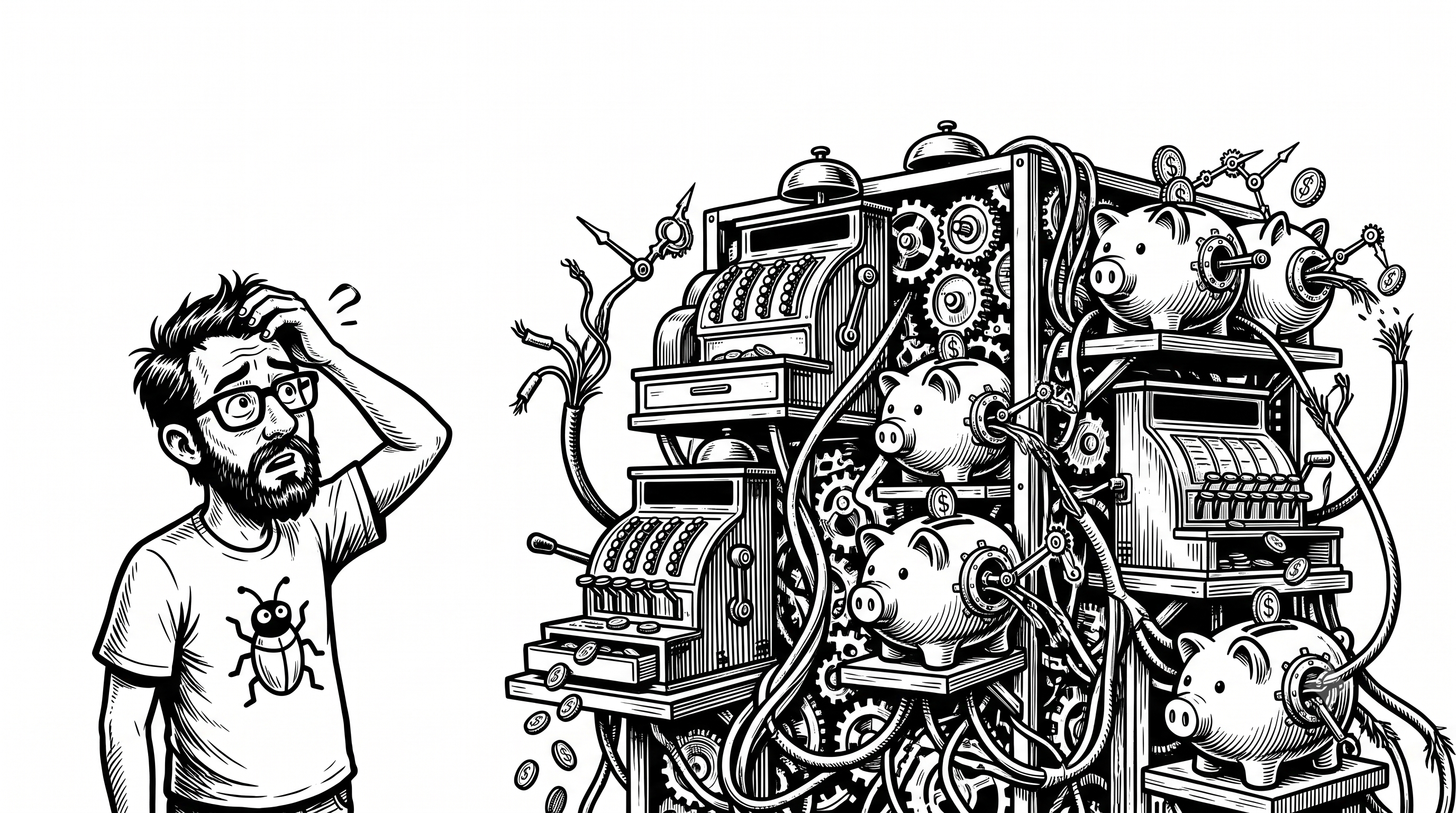
Why? Because the system isn't just old; it’s a relic.
The Pizza Problem
To understand why this system is broken, imagine if ordering a pizza worked like sending a wire transfer.
The Order Window: First, you can only order the pizza between 9:00 AM and 3:00 PM. If you get hungry at 3:01 PM on a Friday, you starve until Monday morning.
The Middlemen: The driver stops three times on the way to your house. At each stop, a "correspondent bank" opens the box and takes a bite of your slice. This is the processing fee.
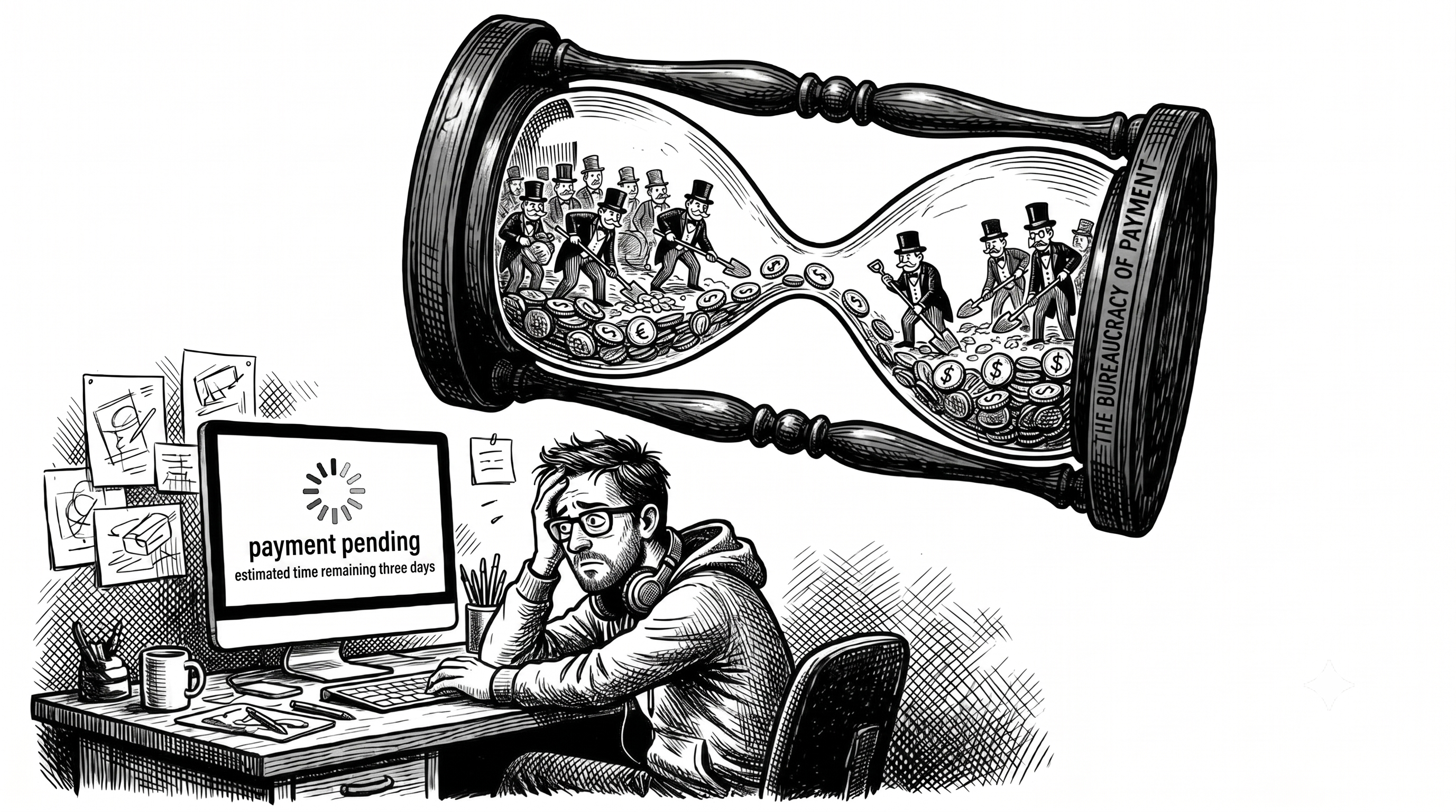
The Timing: Even though the pizza was cooked in 10 minutes, the driver decides to park on the side of the road and sleep for two days because it is the weekend.
The Arrival: The pizza finally arrives on Tuesday. It is cold. Two slices are missing. And you are charged an extra "Foreign Delivery Fee" because the driver crossed a county line.
If DoorDash operated like this, they would be bankrupt in a week. Yet, we accept this from our banks every single day.
SWIFT isn't a payment system; it’s a messaging system. It relies on a series of hops between institutions that don't trust each other. Every hop is a toll booth, and every toll booth takes a bite of your pizza.
Geography is a Bug
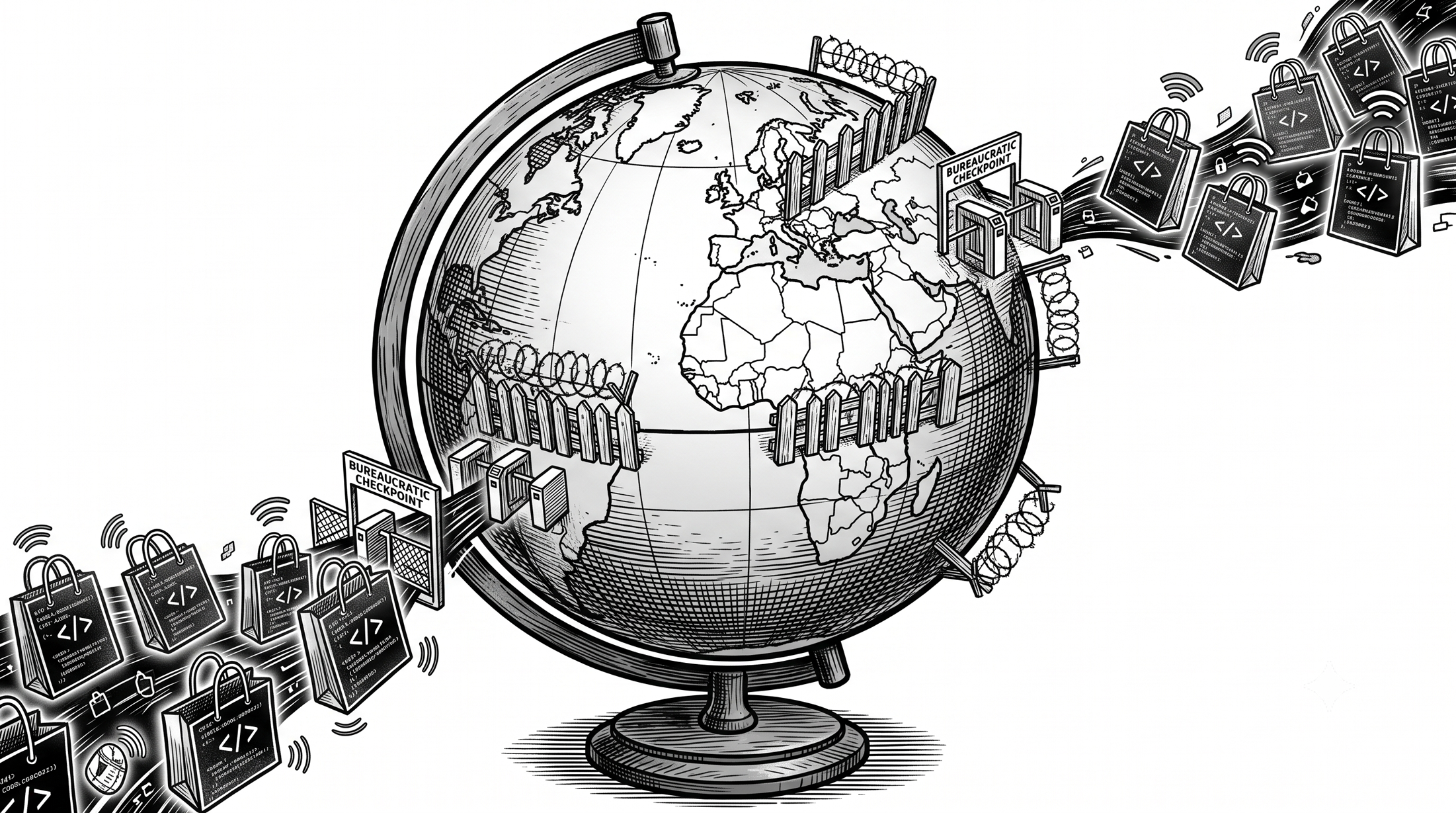
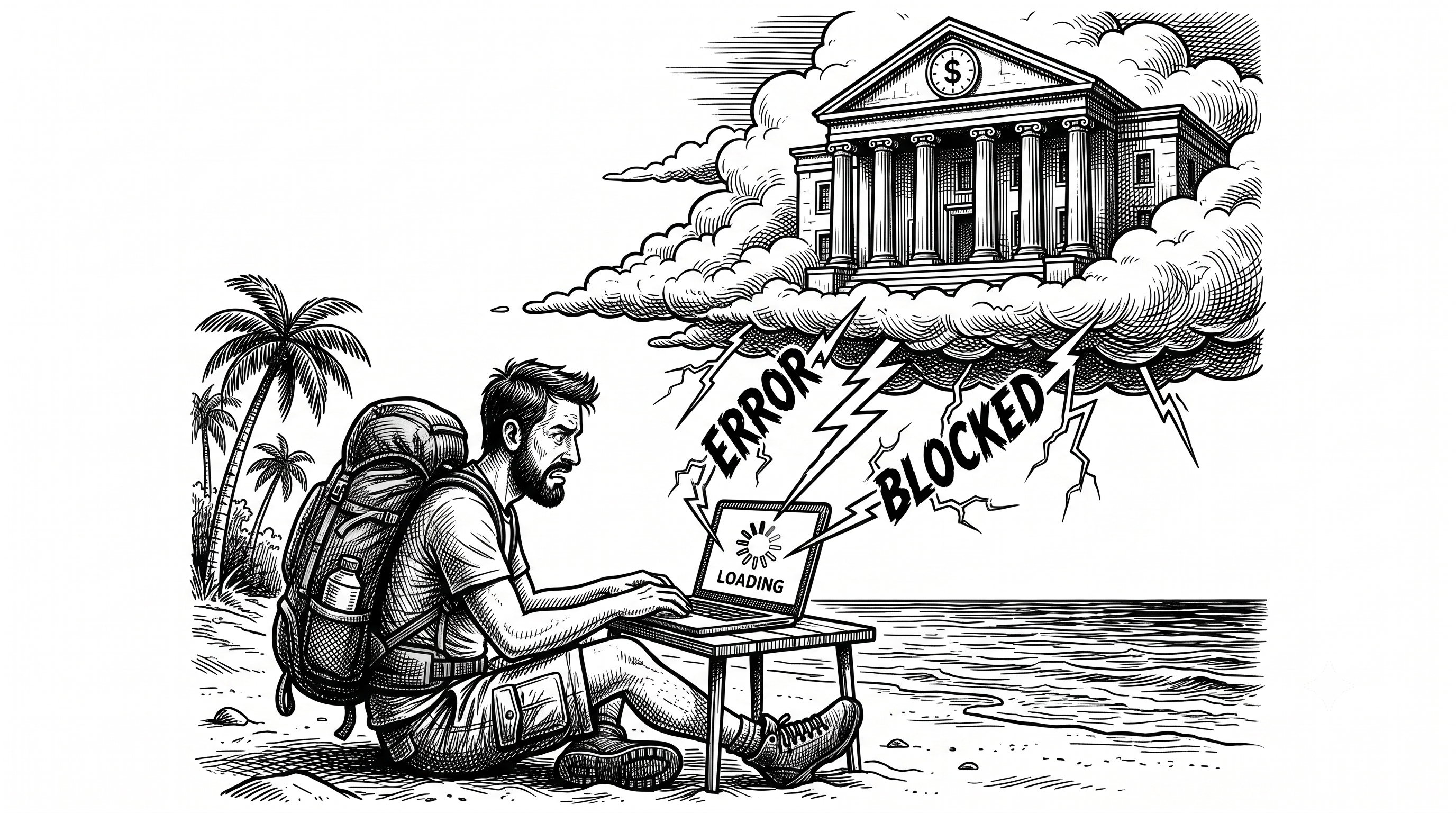
The fundamental problem is that traditional finance treats geography as a constraint.
If you send an email to your neighbor, it arrives instantly. If you send an email to Australia, it also arrives instantly. The internet does not care about borders. Data is data.
Money is just data. It is a ledger entry. "Alice -100, Bob +100."
Yet, because we rely on legacy rails, we accept that moving money across a border should be difficult, expensive, and slow. We accept that "Business Days" exist (as if computers need the weekend off). We accept that 3% of the transaction should disappear into the ether.
This is a tax on globalization. It is friction that kills commerce.
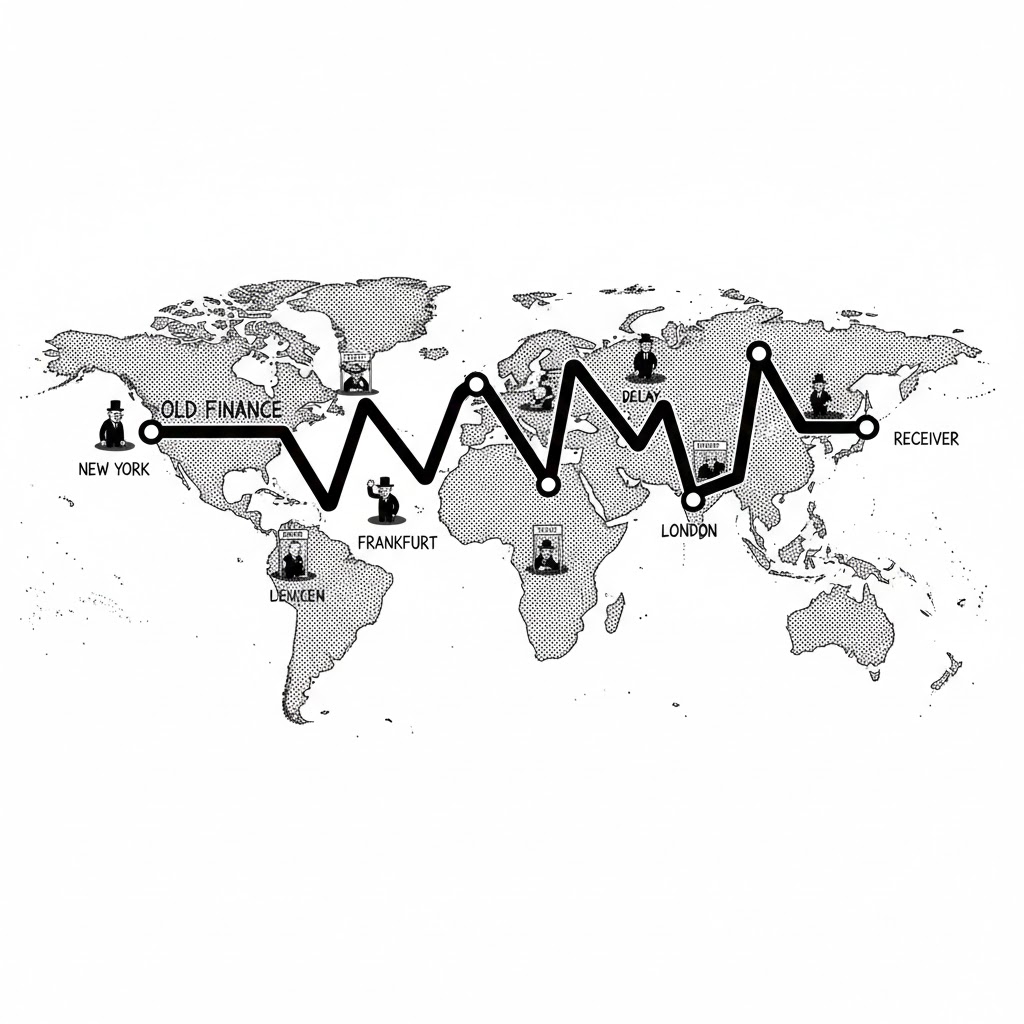
The Straight Line
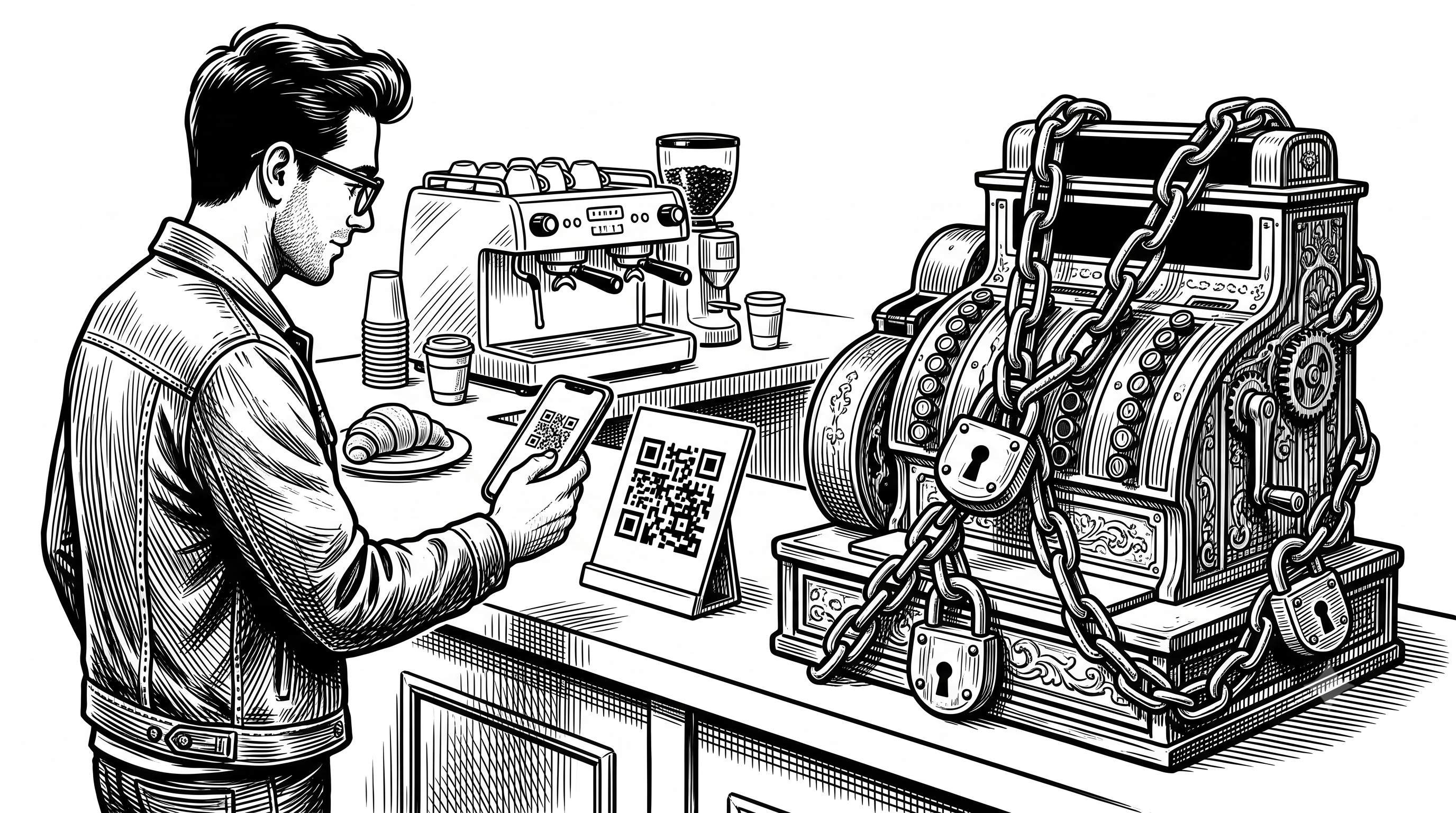
We didn't try to fix the fax machine. We took it out back and put it out of its misery.
In geometry, the shortest distance between two points is a straight line. In banking, the distance between two points is a zig-zag through New York, London, and Frankfurt.
Why? Because banks love friction.
Friction is where the fees hide. The delays, the hops, the currency spreads—that is their business model. They need the zig-zag to justify the toll.
LFG is the straight line.
We replaced the entire "Correspondent Banking Network" with a single line of code. When you settle in USDC, you delete the geometry of the banking system.
- Old World: Your money hops like a traveler without a passport, getting stopped and frisked at every border.
- New World: Your money teleports.
The Bank: "We'll see what we can do by Tuesday."LFG: "Done."
Sending $10,000 internationally on a Sunday night, and having it arrive in 6 seconds for a penny, feels like using a cheat code.
It isn't. It’s just the first time you've used a rail built for this century.
It is the difference between mailing a letter and sending a WhatsApp. One is nostalgic; the other is how business actually gets done.
Respect the Past, Build the Future
We aren't here to demonize the banks. They built the bridges that carried the global economy for 50 years. They are the reason international trade exists at scale.
But the bridge is rusting. It is congested. And there is a hyperloop running right next to it.
The banks will tell you that crypto is risky, complicated, and scary. And for 99% of crypto (the dog coins, the scams), they are right.
But stablecoins are different. They are the upgrade the system has been waiting for. They combine the trust of the dollar with the speed of the internet.
You don't use a fax machine to send a contract anymore. You use DocuSign. Why are you still using a fax machine to send your money?


Kris Krogh
Written by Kris Krogh, a payments and fintech expert with a passion for simplifying global transactions
You Might Also Like
Check out more posts that explore the future of payments and fintech solutions