The Future of Payments: LFG’s Role in Simplifying Transactions
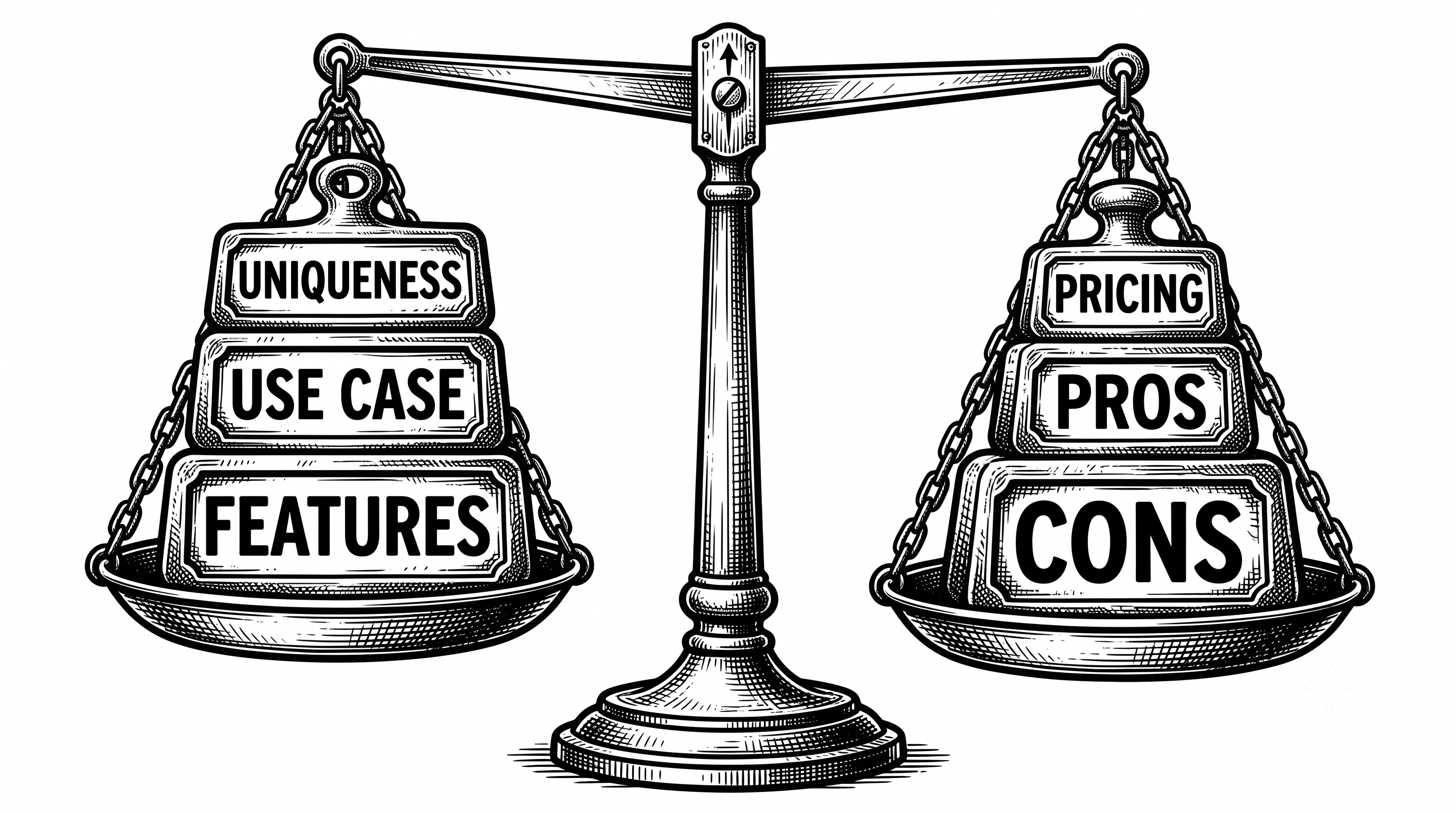
High payment processing fees, slow settlements, and rigid setup requirements limit how small businesses handle transactions. Most payment gateways either charge unpredictable fees, delay payout, or require complex integrations that eat up time and developer hours. This comparison covers price transparency, integration effort, and support across five competitors so merchants can pick a payment processor that fits their needs for 2026.
Table of Contents
Non-custodial blockchain infrastructure enables instant, cross-border payments, while user funds remain outside the platform. The system accepts both fiat and cryptocurrency, and supports in-person, online, and link-based payments plus subscription billing. According to the company, clients report significant reductions in transaction costs, and faster access to funds.
Stripe

At a Glance
Stripe reports support for 135+ currencies and presence in 195+ countries. That global footprint pairs with an API-first approach that bundles payments, billing, fraud defense, tax automation, and card issuing. We find the platform favors teams that can invest in developer work to unlock broad financial tooling.
Core Features
Stripe combines programmable payment processing with hosted checkout options and pay links while supporting in-person card readers. The platform includes Stripe Radar for fraud detection and Stripe Sigma for SQL-based reporting and large data exports. It also offers billing for subscriptions, automated tax calculation, virtual and physical card issuance, stablecoin support, and tools for marketplaces.
Key Differentiator
Stripe stitches payments, billing, fraud, and tax automation into a single, developer-accessible stack. That unified approach suits businesses that want a programmable, extensible financial backbone rather than a blockchain-native instant-settlement model like Getlfg.
Pros
Developer teams can integrate quickly with clear APIs and SDKs, which speeds feature rollout and custom workflows. The pricing model is transparent at the transaction level, making revenue math predictable for most merchants. The product set covers payments, recurring billing, fraud controls, tax automation, and card issuing in one place, which reduces vendor sprawl for companies scaling internationally.
Cons
When It May Not Fit
If your business relies on instant settlement or on-chain settlement, Stripe may not meet that need. High risk or niche merchants that face frequent account reviews could find operational disruption. Small sellers on razor thin margins may prefer a processor with lower fees for their specific payment mix. Teams that lack developer resources will miss many of the platform advantages.
Who It’s For
Tech savvy startups, small and midsize e-commerce teams, and enterprises needing a programmable payments stack benefit most. Merchants that sell across borders and want built in tax and fraud tools will see the biggest returns. Organizations with engineering capacity will extract more value than those needing plug and play simplicity.
Real World Use Case
A global retailer uses Checkout and Billing to accept subscriptions and one time orders across regions. They run Radar rules to block fraud, use Sigma for monthly revenue reports, and issue virtual cards for vendor spend. That setup reduced manual reconciliation and moved reconciliation tasks from operations to automated exports.
Pricing
Stripe offers a free basic setup and charges variable transaction fees. For standard domestic cards the benchmark is 2.9% + 30¢ per transaction, and custom plans are available for high volume or specialized needs.
Website: https://stripe.com
SGW Payment

At a Glance
SGW Payment reports a single integration that connects to over 100 payment providers. That scale enables local payment processing across multiple jurisdictions and consolidated reconciliation. The product targets subscription businesses with recurring billing and cross-border routing needs.
Core Features
A single API centralizes connections to providers, acquirers, and local rails while a unified dashboard manages routing and retry policies. Smart routing and retry management work with recurring billing automation to reduce failed charges for subscription flows. Built-in fraud detection, chargeback alerts, token vaults, real-time analytics, and automated reconciliation handle compliance and finance workflows.
Key Differentiator
One integration plus intelligent routing reduces cross-border decline points by sending transactions to the best local route. The vendor pairs that architecture with end-to-end banking relationship management for reconciliation and regulatory controls, which helps keep settlement and accounting aligned across regions.
Pros
Consolidates international payment rails into a single integration, cutting engineering time needed to support local methods. Recurring billing automation and retry routing keep subscription revenue flowing and reduce manual dunning workloads. Local processing infrastructure improves approval odds for cross-border customers and reduces correspondent banking friction. Fraud controls, chargeback alerts, token vaults, and reconciliation tools reduce time spent on disputes and accounting.
Cons
When It May Not Fit
It may not fit very small merchants that lack engineering bandwidth for an initial integration. Complex regional banking setups demand dedicated time and expert support during onboarding. Enterprises that require published SLAs, throughput guarantees, or detailed scalability metrics should request those figures before committing.
Who It’s For
Mid and large online businesses and SaaS companies expanding internationally will benefit most. Teams that rely on subscription revenue and need recurring billing tools gain value from the routing and reconciliation features. Organizations managing multiple acquirers or local payment rails profit from a single API connection.
Real World Use Case
A SaaS vendor expanding into Europe and Latin America ties one API to local processors through SGW Payment. Smart routing sends transactions to preferred local rails and retry logic cuts failed charges. Automated reconciliation maps payments to invoices and reduces manual accounting across markets.
Pricing
Pricing is not publicly listed; the product page is informational only. Prospective buyers must request a commercial proposal to learn implementation fees, banking access charges, and volume discounts.
Website: https://sgw-payment.com
OnePaymentUs (Flute)

At a Glance
Flute supports in-person, mobile, online, and embedded payments alongside hardware and developer tools. The platform includes invoice templates, recurring billing with tokenized customer data, and access to working capital. That mix positions the product as both a payments processor and a basic business finance tool.
Core Features
Flute handles card and mobile acceptance across physical terminals and web checkouts while offering POS hardware integration and device support. The dashboard provides real time reporting and customizable invoicing templates. It also offers recurring billing with tokenized storage, developer APIs for integration, fraud protection, and an option for short term working capital.
Key Differentiator
Flute combines payments, reporting, and simple finance access in one platform while exposing developer APIs for deeper control. The combination of hardware support and embedded payments aims to reduce the number of vendors a business must manage. That single platform approach appeals to merchants who want one vendor for terminals, online checkout, and basic financing.
Pros
The mobile app delivers a clean, user friendly experience with features such as cash back and direct deposit mentioned by users. Support staff are described as responsive during onboarding, and the API driven model simplifies integration into existing point of sale setups. The product lets merchants pick only the features they need, which helps keep costs focused on essential capabilities and avoids paying for unnecessary modules.
Cons
When It May Not Fit
Flute does not suit businesses that need highly custom or complex payment flows beyond its standard API and tooling. Companies requiring bespoke settlement paths, elaborate split payments, or deep platform customization may find the offering too limited. Also plan for possible slower support response during peak periods.
Who It’s For
Growing small and midsize businesses that want an all in one payments and basic finance platform will get the most value. Retailers with existing POS hardware who need developer access to integrate payments into a custom checkout also match this profile. Merchants seeking simple working capital alongside payments will find the product relevant.
Real World Use Case
A neighborhood retail store uses Flute to run its countertop terminal, accept online orders, and send customizable invoices to local accounts. The store uses tokenized customer cards for monthly subscriptions and taps working capital to cover seasonal inventory. Developer APIs let the store push transactions into its accounting system.
Pricing
Flute lists pricing on request with a prompt to see pricing on its site. The vendor requires contacting sales for custom quotes and hardware bundles rather than publishing flat rates publicly. That approach means exact fees depend on features, transaction volume, and hardware choices.
Website: https://onepaymentus.com
Securely

At a Glance
Multi-Tag™ Pricing with Digital Cash™ gives merchants a way to assign fees to specific payment flows so fee outcomes are predictable. The platform also lists PCI DSS Level 1 compliance, encryption, and fraud monitoring as part of its security posture. We like that onboarding and ERP or QuickBooks integration are emphasized for finance teams who need faster reconciliation.
Core Features
Securely bundles card, bank, and alternative payment methods into a single processing stack and presents consolidated reporting. The platform highlights real-time dashboards and analytics that show cost and revenue by payment type so you can spot fee leaks. Rapid onboarding includes integration guides and training to reduce implementation time and manual work.
Key Differentiator
Securely centers on Multi-Tag™ Pricing and the vendor trademarked Digital Cash™ option to give merchants explicit control over how fees apply. That pricing model pairs with an API-first integration approach to support scaled merchants and ERP connections. The combination shifts fee discussion from a guessing game to a predictable cost model you can map to channels and products.
Pros
Securely offers transparent, flexible pricing choices that let you assign different fee treatments to separate payment flows. Its focus on security and compliance, including PCI DSS Level 1, addresses audit and risk needs for larger accounts and regulated merchants. Quick onboarding, plus integration guides for ERP and QuickBooks, speeds reconciliation and reduces back-office labor while real-time analytics help finance teams find and fix fee inefficiencies.
Cons
Who It’s For
Mid sized to large businesses that need integrated payment processing with strong compliance controls will find Securely relevant. Organizations that run multiple payment types and use ERP or QuickBooks for accounting will benefit from the consolidated reporting. Businesses focused on predictable fee allocation across channels will get the most value from the Multi Tag approach.
Real World Use Case
A retail chain uses Securely to consolidate card and ACH flows into one reconciliation stream. The finance team maps Digital Cash transactions to lower fee buckets and automates reconciliation with the ERP. That reduces manual entries, speeds month end close, and makes fee impact visible to merchandising.
Pricing
Public pricing is listed as Not applicable — informational only. You will likely need to request a custom quote to see Multi Tag fee structures, volume discounts, and implementation costs. The vendor positions pricing as flexible and tied to payment mix rather than a single flat rate.
Website: https://securely.io
PayHub Payments

At a Glance
The vendor advertises next day funding and that most businesses are ready within 48 hours. PayHub Payments was established in 2008 and operates from Connecticut while serving small and midsize merchants. It emphasizes clear fees, local sales and support, and multiple terminal and gateway options.
Core Features
PayHub combines modern payment terminals, a hosted gateway, and a virtual terminal for remote card entry, plus recurring billing and email and text invoicing. The platform supports PCI compliance, a variety of POS systems, and flexible pricing models including dual pricing and traditional processing. It also lists integrations with major shopping carts for online stores.
Key Differentiator
PayHub’s standout claim is the mix of personalized local support and customizable pricing targeted at small and midsize businesses. That pairing aims to replace faceless call centers with a local contact who knows your account and hardware. For merchants who prefer a nearby team and a direct pricing conversation, that local focus defines the product.
Pros
PayHub emphasizes transparent pricing and says it avoids hidden or junk fees, which simplifies fee discussions during onboarding. The vendor highlights quick setup and local support that can handle terminal selection, gateway configuration, and PCI compliance guidance. Support for online, in-person, and remote payments plus integrations with common shopping carts makes it practical for omni channel merchants.
Cons
When It May Not Fit
If you need a published flat rate to compare processors quickly, PayHub may slow your selection process because pricing comes by quote. Large national chains that require widely published audit history or extensive independent reviews may find the public record thin. If you prefer purely remote vendor relationships with no local contact, the local support model will be unnecessary.
Notable Integrations
PayHub lists direct connectors to common accounting and commerce platforms. Supported integrations include QuickBooks, WooCommerce, BigCommerce, Magento, Shopify, Wix, and Zoho. Those links cover most small business bookkeeping and storefront needs.
Who It’s For
Small to medium sized retail stores, restaurants, service providers, and e commerce merchants who value a local sales and support team will find PayHub relevant. Businesses that want customizable terminal bundles and a consultative pricing conversation are the intended fit. Companies that need public, easily comparable flat rates are a weaker fit.
Real World Use Case
A regional retail shop installs PayHub’s POS terminals, connects its online store to the gateway, and uses the virtual terminal for phone orders. The shop receives funding the next day per the vendor claim and manages invoices by email and text. The local team handles hardware setup and PCI compliance paperwork.
Pricing
Pricing is handled via custom quotes tailored to transaction volume and the selected mix of terminals, gateway access, and services. The vendor states pricing is transparent with no hidden or junk fees, but no public flat rate is available for direct comparison.
Website: https://payhubpayments.com
Comparison of alternatives
Payment gateways offer diverse features suitable to various business requirements. Comparing their capabilities highlights which options best fit specific scenarios.
Instant settlement and payment flexibility
Getlfg.app provides instant cross-border payment settlement through its non-custodial blockchain infrastructure, accommodating fiat and cryptocurrency transactions efficiently. In contrast, while Stripe and SGW Payment offer broad geographic payment processing and flexible integrations, they do not match getlfg.app’s settlement immediacy or support for decentralized fund control. This capability reduces delays associated with traditional payment channels, offering businesses faster cash flow management.
Subscription processing and reconciliation automation
Subscriptions dominate many modern revenue models. Here, SGW Payment excels with intelligent routing and retry options. These features actively reduce churn related to payment declines. While getlfg.app also supports subscription transactions, competing solutions like Stripe provide integrated analytics and revenue optimization tools. The choice here depends on balancing retry success rates against granular control over financial analysis.
Best fit
Our pick
For businesses that prioritize the distinctive blockchain-based and instant settlement advantages provided by getlfg.app above all, it stands out as a specifically suitable choice. However, businesses with specialized needs, such as intensive subscription management, should consider SGW Payment or similar tools tailored to those functions.
Choosing the optimal payment gateway requires an evaluation of core features, regional support, and advanced integration capabilities.
PlatformCore FunctionalityKey DifferentiatorBest ForPricingLimitationGetlfgBlockchain-based platform supporting fiat and cryptocurrencyNon-custodial infrastructure with instant cross-border settlementBusinesses seeking on-chain settlement capabilitiesPrice not publishedRelatively newer technology adoption requiredStripeProgrammable payments with fraud detection and tax automationUnified API for payments, billing, and moreTech-savvy startups and enterprises2.9% + 30¢ per transactionRequires developer resources for full utilizationSGW PaymentCentralized international payment connectionsSmart routing reducing cross-border declinesSubscription-based SaaS businessesPrice not publishedInitial setup complexity for regional complianceFlute (OnePaymentUs)In-person and online payments, invoicing, and finance toolsIntegration of payments and simple business financingGrowing SME retailersPrice not publishedLimited advanced customization optionsSecurelyMulti-Tag Pricing and real-time analyticsExplicit transaction fee control with API-first integrationBusinesses needing fee predictability and ERP connectionsPrice not publishedLimited third-party reliability evidencePayHub PaymentsHosted gateways, virtual terminals, local sales supportTransparent pricing with localized customer serviceRetail stores valuing direct sales teamsPrice not publishedAbsence of publicly listed flat rates
Which payment platform cuts costs without complicated setups for small businesses?
Too many payment gateways feel like hitting every red light. Long waits for funds, confusing fees, and complex integrations make it harder for freelancers and small to midsize businesses to stay afloat. Unlike processors that act like a maze of fees and delays, Getlfg lets money move instantly across borders with clear costs and no hidden charges. It supports both fiat and cryptocurrency without locking your funds inside a platform.
Why Getlfg stands out:
Check out Getlfg now to see how small and midsize businesses can handle payments with less hassle and faster access to funds. Don’t settle for slow funding or inflated processing fees—bring your transactions closer to real time with Getlfg.
Learn more about Getlfg’s speed and flexibility and start managing payments that keep pace with your business.
FAQ
What unique features does Getlfg provide for small businesses?
Getlfg offers instant, cross-border payments without holding user funds on the platform. This capability allows businesses to accept both fiat and cryptocurrencies while maintaining control over their funds, enabling faster access to cash flows for operations.
How does Getlfg compare to Stripe in terms of setup and integration?
Stripe gives businesses fast integration due to its API-first approach, which bundles multiple financial tools together. Getlfg excels in offering true instant settlement, making it a better option for businesses that prioritize immediate access to their funds.
What benefits can small businesses expect from using Getlfg?
Getlfg reduces transaction costs significantly compared to traditional payment processors. This lower cost structure is especially beneficial for small businesses looking to maximize their profit margins while still providing flexible payment options to their customers.
Can I use Getlfg for subscription billing like SGW Payment?
Yes, Getlfg supports subscription billing, enabling recurring payments for services. This feature is crucial for businesses that depend on stable, predictable revenue streams while benefiting from the platform’s quick payment processing.
How does Getlfg handle fraud detection compared to Securely?
Getlfg’s security measures are focused on user fund safety without compromising transaction speed. Securely emphasizes Multi-Tag™ Pricing and advanced fraud monitoring, which might be more suitable for larger businesses with complex compliance needs, while still making Getlfg an effective choice for small businesses needing reliable security.
Recommended


You Might Also Like
Check out more posts that explore the future of payments and fintech solutions